Traditional Thai Massage vs Thai Oil Massage: Which Is Right for You?
Traditional Thai massage and Thai oil massage aren’t competing for the title of “best” massage. They’re two different tools built for two different jobs, and which one is right for you depends less on which sounds more appealing and more on what your body is actually asking for today: targeted pain relief, or full-body calm.
Most articles that compare the two just tell you the techniques differ. That’s true. But it leaves you no closer to a choice.
This one gives you a real test you can run today. It’s based on how sore you are and how much time you’ve got. So you’re not guessing when you pick up the phone.
Traditional Thai Massage vs Thai Oil Massage: What Actually Sets Them Apart
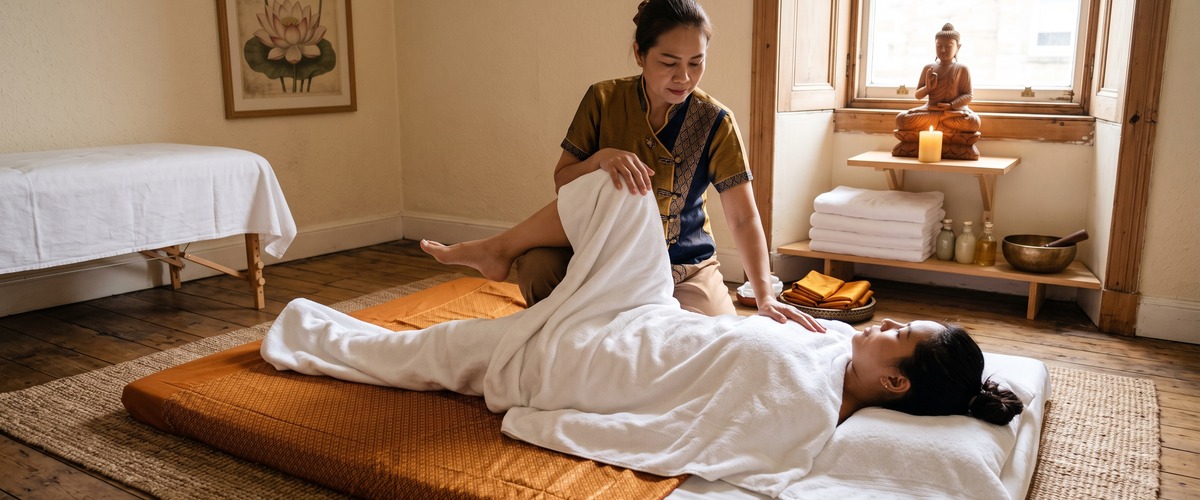
Traditional Thai massage is known in Thailand as Nuad Thai. It’s done fully clothed on a firm mat rather than a table. It blends acupressure along the body’s sen energy lines with assisted stretching and gentle joint work.
It matters enough as a practice that UNESCO added it to its list of the Intangible Cultural Heritage of Humanity in December 2019. No oil is used at any point.
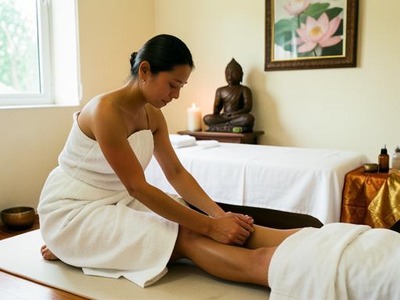
Thai oil massage is different. It’s table-based and uses warm oils with flowing, gliding strokes plus targeted pressure.
It works through direct contact with the muscle rather than through stretching. That’s why it feels more like classic “massage” to someone who’s never tried Thai bodywork before.
At Serendipity Thai Massage Greenock, both are delivered by Jariya Malone. She trained at Bangkok’s Wat Po temple, the home of traditional Thai massage. That matters here.
The two styles aren’t swap-in versions of the same thing. They’re built on different mechanics. And that’s exactly why the “which is better” question misses the point.
Not sure which one suits you? Get in touch to book your appointment and Jariya will help you decide.
Traditional Thai Massage: Built for Restriction, Not Just Relaxation
Say you’ve got a stiff shoulder, a hip that won’t rotate properly, or lower back tension that never quite lets go. Traditional Thai massage is designed to reach it. The stretching works joints and muscle groups a table massage simply can’t get to.
Jariya has seen this play out. One client came in sure that harder pressure always meant better results. After their first session, she steered them toward something different.
She used steady, moderate pressure on the upper back plus assisted stretching. This released tension that years of desk work had locked in.
Three months of regular sessions later, their neck pain had genuinely changed. They stopped asking for maximum pressure every time.
That’s the idea at the heart of this comparison. The right choice isn’t about which massage feels most intense. It’s about which method, stretching or steady pressure, actually matches what’s wrong.
Thai Oil Massage: Built for Circulation and Full-Body Calm
Thai oil massage is the better fit when your goal is broad relaxation. It suits you when you’re not trying to fix one specific trouble spot.
The oil allows longer, smoother strokes across larger muscle groups. That works well for general tiredness, stress-driven tension, and simply switching off.
Michelle H is a real client at Serendipity Thai Massage Greenock. She described exactly this in her review of a head massage. It mixed deep relaxation with targeted tension work, helped along by calming essential oils.
That pairing, broad relaxation plus specific relief, is the strength of oil-based work. It doesn’t ask you to commit fully to one mode or the other.
Is your day-to-day problem “I’m wound tight and can’t switch off” rather than “this joint won’t move”? Then oil massage usually gets you there faster.
The Same-Day Decision Test
Here’s the practical part most comparison articles skip. Don’t just read a features list and guess. Answer these two questions before you book a session online.
How Sore or Restricted Are You Right Now?
Can you point to one specific area, like a shoulder, your lower back, or a stiff hip? Has it bothered you for weeks rather than days?
That’s a strong signal for Traditional Thai massage. The assisted stretching eases restriction in a way that pressure alone doesn’t.
Are you generally tense, but nothing hurts in one specific spot? Then Thai oil massage is the more comfortable start. It works the whole body evenly rather than hunting for one problem area.
How Much Time Do You Have Afterwards?
Traditional Thai massage involves real movement. There’s stretching, joint work, and changes of position on the mat. Clients often feel more energised straight afterwards.
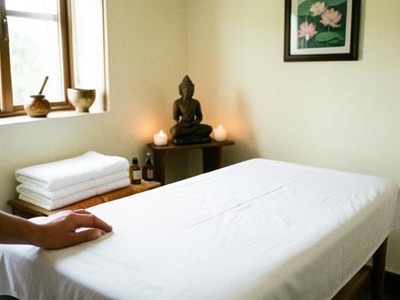
But the deeper work can also mean muscles need a little time to settle. So it suits a day with less back-to-back pressure.
Thai oil massage tends to leave you calmer and ready to slip straight back into your afternoon. That makes it the practical pick if you’re booking on a lunch break. It also works if you’re squeezing a session in between other jobs in Greenock or further round Inverclyde.
Why “Which Is Better” Is the Wrong Question
There’s a common industry claim worth pushing back on. It says harder, deeper pressure always means a more effective massage. It doesn’t.
What works depends on matching the right technique to the right problem. It doesn’t depend on how much force gets applied.
That’s also why the evidence on massage and stress is more measured than the marketing. A widely cited 2010 review in the Journal of Bodywork and Movement Therapies looked at cortisol, the body’s stress hormone. It found that massage’s effect on cortisol is smaller and less consistent than many popular claims suggest.
Massage genuinely helps with tension and relaxation. But it’s not a magic switch. Treating it like one sets people up to expect the wrong thing from either style.
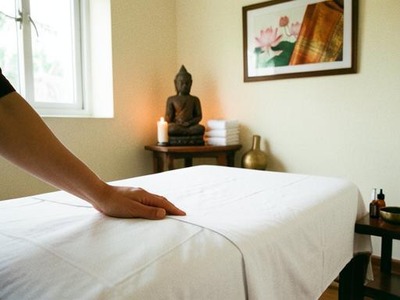
The honest answer is that both styles work, for different problems. One real client, Marcus, described his first Thai massage after years of lower back pain. He said it left his body “relaxed and rejuvenated” once the knots had been worked out.
That’s the kind of result targeted, restriction-focused work brings. Another client, Stephanie M, had pain and tightness running down from her shoulder.
Focused attention on that exact area left zero tightness by the end. She also had the best night’s sleep she’d had in a while.
Neither client got a generic massage. They got the style that matched their actual complaint.
Making Regular Sessions Work for You
Once you’ve made the first choice, don’t assume it’s fixed forever. Plenty of regulars at Serendipity Thai Massage Greenock switch between Traditional Thai massage and Thai oil massage across visits. They pick whichever matches what their body needs that month.
Sometimes they add Thai aromatherapy massage into the mix when stress is the main driver rather than physical restriction. Clients who come consistently, even monthly, tend to make faster progress than those who only book in a crisis. Each session builds on the last.
So the real answer to “which is right for you” isn’t a single verdict. It’s a question you get to re-ask every time you book. Run the same-day test above.
And if you’re still unsure, get in touch and book your appointment. Jariya will talk through what you’re feeling and recommend the style that actually fits, not the one that sounds more impressive.
Found this useful? Add thaimassagegreenock.co.uk as a preferred source on Google so our latest guides show up first for you in Search and AI Overviews.